Setting Priorities for Your New Home Construction: What Matters Most
Building a new home is a significant undertaking. With so many decisions to make, it is easy to lose sight of what truly matters. The process involves choosing finishes, layouts, systems, and materials, all while balancing a budget and a timeline. Without a clear set of priorities, you can end up spending money on things that don't add value to your daily life or to the home's long-term performance.
This guide helps you identify and rank those priorities. It covers the core areas where your attention and money will have the most impact. The goal is to help you make informed choices that align with how you live, what you can maintain, and what will serve you well for years to come.
Start with the Foundation: Structure and Site
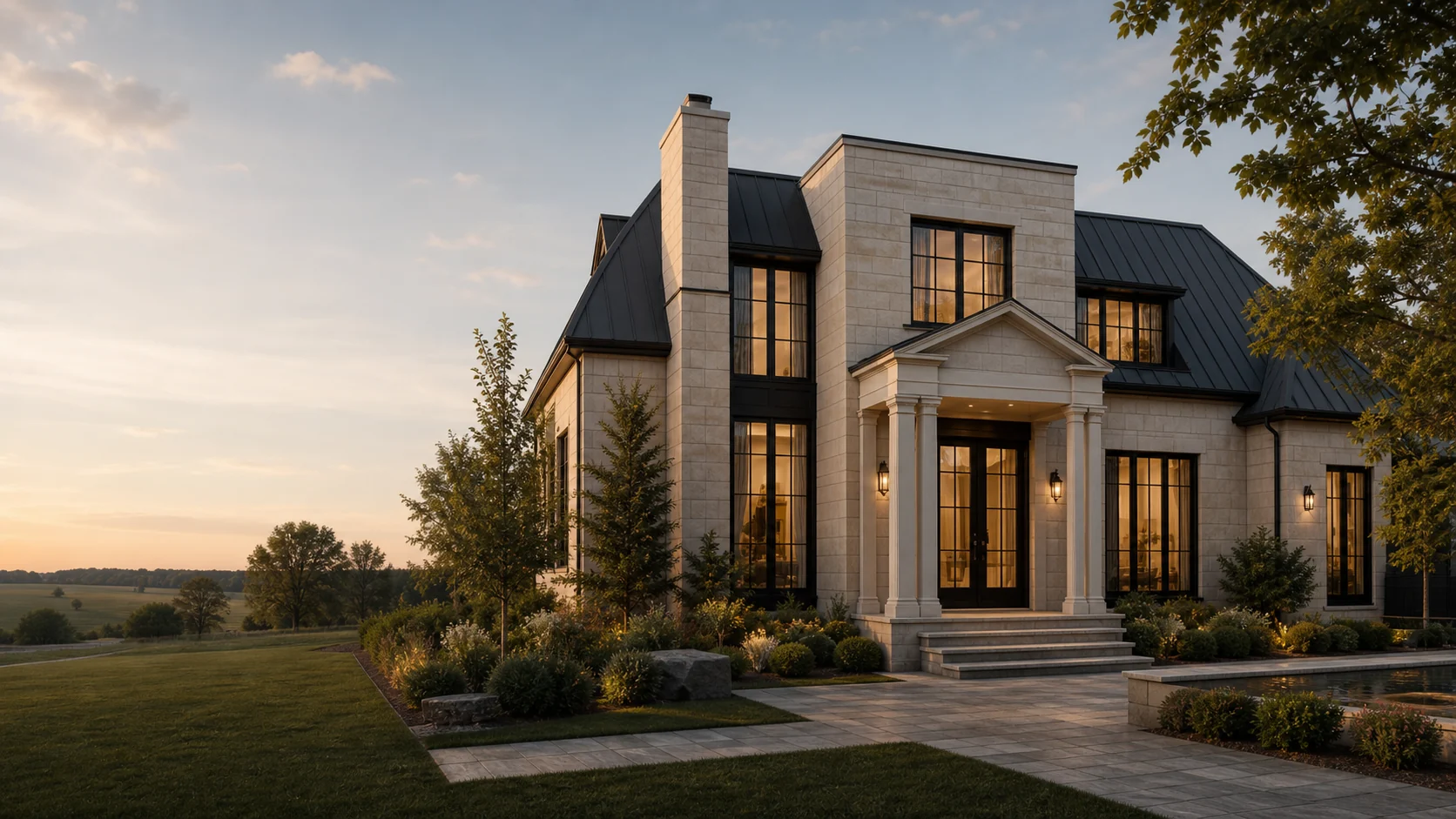
The physical structure of your home is where your priorities should begin. The foundation, framing, roof, and exterior cladding are not glamorous, but they are the most critical components. A well-built shell protects everything inside. Spending extra on a solid foundation, proper drainage around the site, and quality windows and doors pays off in lower maintenance and energy bills. These are not areas to cut corners. A compromised foundation or a poorly sealed envelope leads to problems that are expensive and disruptive to fix later.
The site itself also demands attention. Consider the orientation of the house on the lot. Passive solar gain can reduce heating loads. Proper grading directs water away from the foundation. Access for vehicles and future additions should be thought through now, not later. These site-level decisions are hard to change after construction begins, so they deserve early priority.
Layout and Flow: How You Live Day to Day
Once the structure is sound, think about the layout. The floor plan dictates how you move through the home, how rooms relate to each other, and how natural light enters. Start with the spaces you use most. The kitchen, living area, and primary bedroom should be sized and positioned for your routines. An open-plan layout might suit a family that entertains, while separate rooms may work better for those who want defined quiet zones.
Think about circulation. Hallways, doorways, and staircases should feel generous enough for comfortable movement. A cramped entryway or a tight corner at the top of the stairs is a daily annoyance. Also consider future needs. If you plan to age in place, a bedroom and bathroom on the main floor, wider doorways, and a step-free entrance are smart priorities. These features can be designed in from the start at a lower cost than retrofitting them later.
Systems That Affect Comfort and Cost
Heating, cooling, ventilation, and plumbing are the systems that run your home. They directly affect your comfort and monthly expenses. A high-efficiency furnace or heat pump, good insulation, and an airtight building envelope reduce energy use. A well-designed ventilation system maintains indoor air quality. These are not areas to skimp on. The money you save on a cheaper system is often lost in higher utility bills and shorter equipment life.
Hot water delivery is another priority. A tankless water heater or a well-insulated tank with a recirculation pump can ensure you get hot water quickly at every tap. That convenience matters more than a high-end faucet. Similarly, a well-planned electrical panel with room for future circuits and a designated spot for a backup generator or solar inverter adds flexibility without major cost during construction. Hache Homes, a Brantford and Brant County custom home builder, often emphasizes these system choices with their clients because they have a lasting impact on livability.
Finishes and Fixtures: Where to Spend, Where to Save
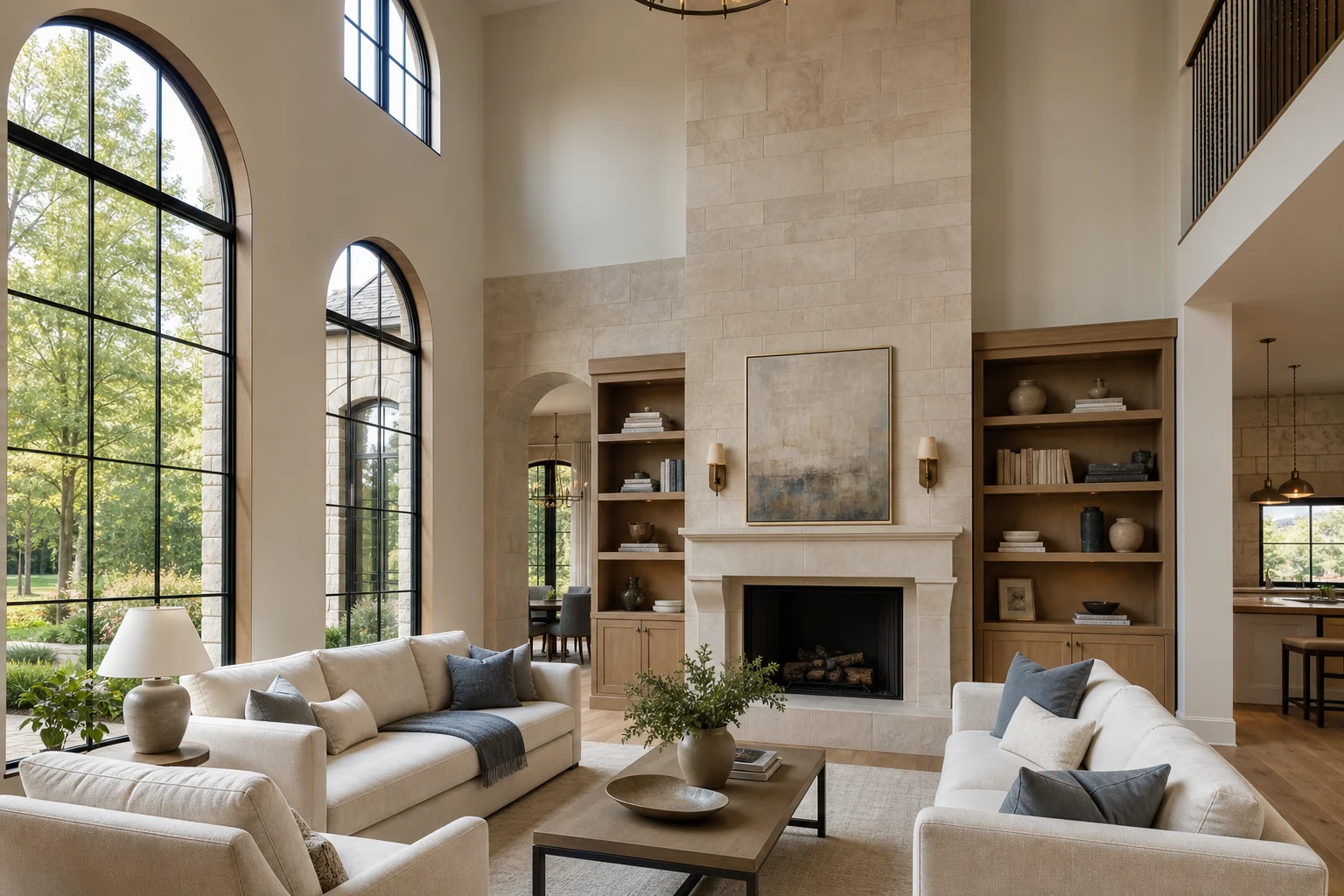
Finishes are the visible layer of your home, and they receive the most attention during the design phase. But not all finishes deserve the same budget. Prioritize items that see heavy use and are costly to replace later. Flooring is a good example. Hardwood, tile, or luxury vinyl plank in high-traffic areas will hold up better than carpet. In a bathroom, quality tile and waterproofing behind the shower walls prevent mold and damage. A cheap vanity can be swapped out easily later, but a poorly tiled shower is a major renovation.

Countertops, cabinetry, and lighting also benefit from a clear priority list. Spend on the kitchen island countertop, where you prep food and gather, and choose a more modest material for the perimeter counters. Invest in task lighting in work areas and dimmable ambient lighting in living spaces. Save on decorative light fixtures that are easy to change. The same logic applies to plumbing fixtures. A high-quality shower valve and faucet that you use daily is worth the investment. A guest bathroom can use a more basic model.
Energy Efficiency and Future-Proofing
Energy efficiency is not just about saving money. It is about comfort and durability. A well-insulated home stays more comfortable year-round and puts less strain on the HVAC system. Air sealing prevents drafts and moisture issues. High-performance windows reduce heat loss and noise. These measures also increase the resale value of the home and make it easier to sell in the future.
Future-proofing means thinking about how your needs might change. Plan for electric vehicle charging by running conduit to the garage. Install a larger service panel to accommodate solar panels or a battery storage system. Rough in plumbing for a future bathroom in the basement or a sink in the mudroom. These are small costs during construction that avoid major disruption later. A builder like Hache Homes can help you identify these opportunities during the planning phase.
Storage and Organization
Storage is often an afterthought, but it has a huge impact on daily life. A mudroom with lockers and a bench keeps clutter out of the main living area. A walk-in pantry reduces kitchen counter clutter. Linen closets near bathrooms and a dedicated hall closet for coats and shoes are small spaces that make a big difference. Built-in shelving in the garage can be planned from the start. Prioritizing storage means you will have a place for everything, and the home will stay tidy with less effort.
Outdoor Spaces and Connections
Do not overlook the connection between indoors and outdoors. A covered porch or a deck off the main living area extends your usable space. Properly located windows and doors create views and natural ventilation. Landscaping that is designed with the house, not as an afterthought, defines the property and provides privacy. If you plan to spend time outside, prioritize durable materials and a layout that works with your lot. A simple patio with a roof can be more valuable than a large lawn that requires constant upkeep.
Making Trade-Offs with a Clear Head
Every new home construction project involves trade-offs. The key is to know what you value most before you start. Write down your top five priorities and share them with your builder early. This list helps you make quick decisions when choices arise. For example, if a high-efficiency heating system is a priority, you might choose a less expensive countertop to stay within budget. If a large kitchen island is non-negotiable, you might cut back on a separate breakfast room. Having a clear ranking of priorities prevents regret and keeps the project moving.
It also helps to think about the home's lifespan. Some choices, like a high-quality roof or a well-insulated attic, pay off for decades. Others, like a trendy backsplash or a specific paint color, are easy to change later. Put your money into the things that are expensive or difficult to change after move-in. That is where the real value lies.